


As a supplier of Bulk Wine Boxes, I often encounter inquiries from customers about how to measure the amount of wine left in a bulk wine box. This is a practical concern, especially for those who use bulk wine boxes for events, restaurants, or regular home consumption. In this blog post, I will share several effective methods to measure the remaining wine in a bulk wine box, which will not only help you manage your wine inventory better but also ensure that you always have enough wine on hand when needed.
Understanding the Structure of Bulk Wine Boxes
Before we delve into the measurement methods, it's essential to understand the basic structure of bulk wine boxes. Most bulk wine boxes consist of a cardboard outer box and a flexible plastic bladder inside that holds the wine. The bladder is usually connected to a spigot, which allows you to dispense the wine. The design of these boxes is intended to preserve the wine's quality by minimizing its exposure to air as it is dispensed.
Method 1: Visual Estimation
The simplest way to measure the amount of wine left in a bulk wine box is through visual estimation. This method is quick and easy but may not be very accurate. To use this method, follow these steps:
- Place the box on a flat surface: Make sure the box is standing upright so that the wine inside is evenly distributed.
- Observe the level of the wine in the bladder: Look through the transparent parts of the box or the bladder itself if possible. You can estimate the amount of wine remaining based on the height of the wine level in the bladder. For example, if the wine level is at half of the bladder's height, you can roughly assume that there is about half of the original volume of wine left.
However, visual estimation has its limitations. The shape of the bladder may not be uniform, and the wine may not always be evenly distributed, especially if the box has been moved or tilted. Therefore, this method is more suitable for getting a general idea of the remaining wine rather than an exact measurement.
Method 2: Measuring by Weight
Another more accurate way to measure the amount of wine left in a bulk wine box is by weighing the box. This method takes advantage of the fact that wine has a relatively consistent density. Here's how you can do it:
- Weigh the full box: Before you start using the wine, weigh the entire bulk wine box on a scale. Record this weight as the "full weight."
- Weigh the box at different intervals: As you use the wine, periodically weigh the box again. Subtract the current weight from the full weight to get the weight of the wine that has been dispensed.
- Calculate the remaining volume: To convert the weight of the dispensed wine to volume, you need to know the density of the wine. The density of wine is typically around 0.97 - 0.99 g/mL. Divide the weight of the dispensed wine by its density to get the volume of the dispensed wine. Then subtract this volume from the original volume of the box to find out how much wine is left.
For example, if the full weight of the box is 10 kg and the current weight is 6 kg, the weight of the dispensed wine is 4 kg. Assuming the density of the wine is 0.98 g/mL, the volume of the dispensed wine is 4000 g / 0.98 g/mL ≈ 4082 mL. If the original volume of the box is 5000 mL, then the remaining volume of wine is approximately 5000 mL - 4082 mL = 918 mL.
Method 3: Using a Measuring Device
If you need a more precise measurement, you can use a measuring device such as a graduated cylinder or a wine measuring cup. Here's how:
- Empty the remaining wine into the measuring device: Carefully open the spigot of the bulk wine box and pour the remaining wine into the measuring device. Make sure to do this slowly to avoid spillage.
- Read the measurement: Once all the wine has been transferred to the measuring device, read the volume indicated on the device. This will give you an accurate measurement of the remaining wine.
This method is the most accurate but also the most time-consuming and messy. It is suitable for situations where you need to know the exact amount of wine left, such as when you are running a wine business and need to manage your inventory precisely.
Tips for Measuring Wine in Bulk Wine Boxes
- Keep the box upright: To ensure accurate measurements, always keep the bulk wine box upright. Tilting or laying the box on its side can cause the wine to accumulate unevenly in the bladder, leading to inaccurate visual or weight measurements.
- Use a calibrated scale: If you are using the weight method, make sure to use a calibrated scale to ensure accurate measurements. An uncalibrated scale can give you incorrect readings, which can affect your inventory management.
- Store the box properly: Proper storage of the bulk wine box can also affect the accuracy of your measurements. Keep the box in a cool, dark place to prevent the wine from spoiling or evaporating, which can change its volume and density.
Conclusion
Measuring the amount of wine left in a bulk wine box is an important task for anyone who uses these boxes. By using the methods described in this blog post, you can accurately measure the remaining wine and manage your inventory more effectively. Whether you choose to use visual estimation, weighing, or a measuring device, each method has its advantages and disadvantages, so choose the one that best suits your needs.
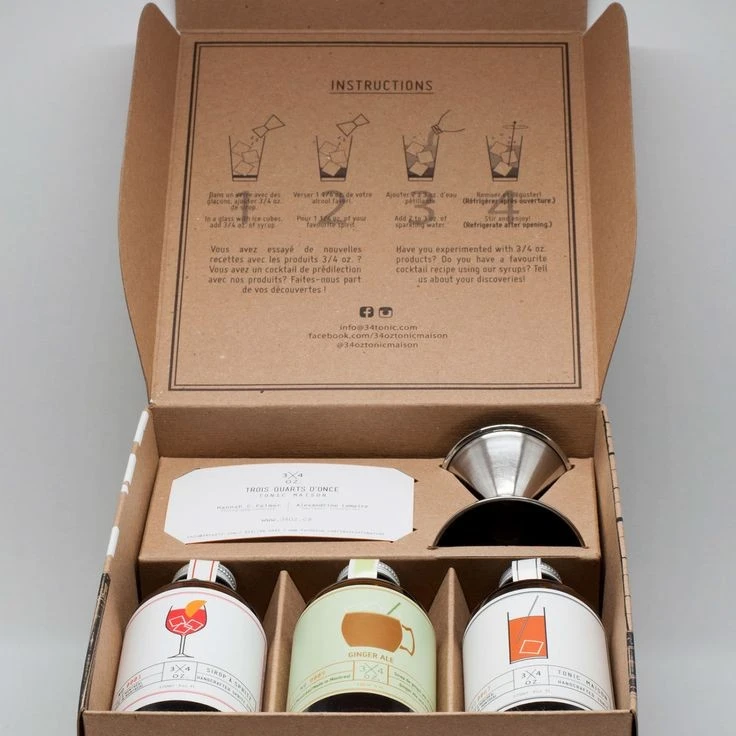
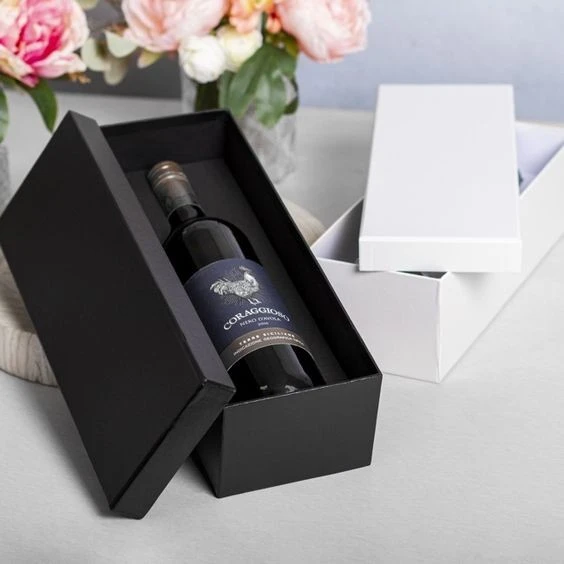
If you are interested in purchasing Bulk Wine Boxes, Wine Gift Subscription Box, or Best Wine Gift Box, please feel free to contact us for more information and to discuss your specific requirements. We are committed to providing high-quality packaging solutions for your wine products.
References
- "Wine Packaging: Design and Technology" by Paul S. Shaw
- "The Science of Wine" by Jamie Goode


