


Hey there! As a supplier of beverage packaging boxes, I've seen firsthand how important it is for these boxes to withstand impacts. Whether it's during shipping, handling, or even just sitting on a store shelf, a good beverage packaging box needs to be tough. So, let's dive into how we can make these boxes more resistant to impact.
1. Choose the Right Materials
The first step in creating an impact - resistant beverage packaging box is picking the right materials. Cardboard is a popular choice, but not all cardboards are created equal. Corrugated cardboard is a great option. It consists of three layers: an inner liner, an outer liner, and a fluted middle layer. This fluted layer acts like a shock absorber, helping to distribute the force of an impact across the box.
For example, if you're shipping a case of beer, a corrugated cardboard box can protect the bottles from being damaged when they're jostled around. The flutes in the cardboard can bend and compress slightly, absorbing the energy of the impact and preventing it from reaching the bottles inside.
Another material to consider is plastic. Some types of plastic, like high - density polyethylene (HDPE), are known for their durability and impact resistance. Plastic boxes can be molded into different shapes and sizes, and they're also waterproof, which is a plus if the boxes might be exposed to moisture.
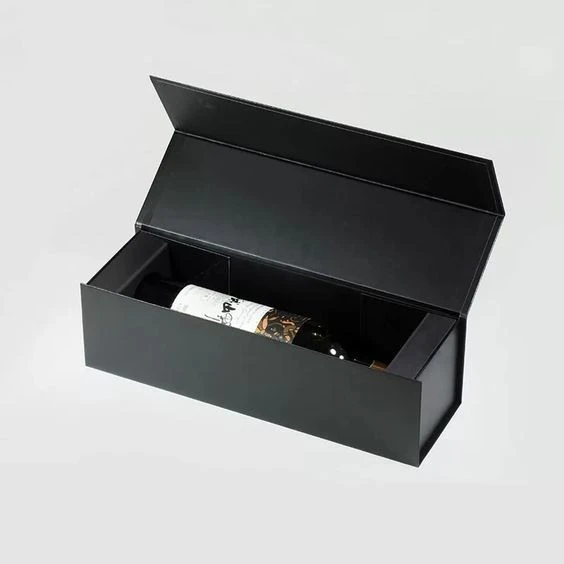
If you're interested in our high - quality packaging solutions, you can check out our Personalized Champagne Gift Box. These boxes are made with materials carefully selected for their strength and aesthetic appeal.
2. Design for Impact
The design of the packaging box plays a huge role in its impact resistance. A well - designed box will have features that help to absorb and distribute impact forces.
One important design element is the shape of the box. Boxes with rounded corners are generally more impact - resistant than those with sharp corners. Sharp corners are more likely to catch on things during handling and shipping, and they can also concentrate the force of an impact, making the box more likely to break. Rounded corners, on the other hand, spread the impact force more evenly across the box.
Another design feature to consider is the use of internal partitions. If you're packing multiple bottles or cans in a box, internal partitions can keep them separated and prevent them from knocking into each other during transit. This reduces the risk of damage to the individual containers.
For instance, our Bulk Wine Boxes are designed with internal partitions to protect the wine bottles. The partitions are made from the same high - quality materials as the box itself, ensuring that they can withstand impacts as well.
3. Reinforce the Box
Reinforcing the beverage packaging box can significantly improve its impact resistance. There are several ways to do this.
One method is to add corner protectors. These are usually made of a strong material like plastic or metal and are attached to the corners of the box. Corner protectors can absorb the initial impact and prevent the corners of the box from being crushed.
You can also reinforce the edges of the box. This can be done by using a stronger cardboard or by adding an extra layer of material along the edges. Reinforcing the edges helps to prevent the box from splitting open when it's subjected to an impact.
Some boxes can also benefit from the addition of a shock - absorbing layer inside. This could be a layer of foam or bubble wrap. The shock - absorbing layer can further reduce the force of an impact on the contents of the box.
Our Wine Gift Subscription Box uses a combination of corner protectors and shock - absorbing materials to ensure that the wine bottles inside are well - protected.
4. Test and Improve
Once you've designed and manufactured a prototype of the beverage packaging box, it's crucial to test it for impact resistance. There are several ways to do this.
One common test is the drop test. In a drop test, the box is filled with the actual product (or a weight equivalent to the product) and then dropped from a certain height onto a hard surface. The box is then inspected for damage. If the box shows signs of significant damage, you'll need to go back to the drawing board and make some improvements.
Another test is the vibration test. This test simulates the vibrations that the box might experience during transportation. The box is placed on a vibrating platform, and the contents are monitored for any signs of movement or damage.
Based on the results of these tests, you can make adjustments to the box's design, materials, or reinforcement methods. Continuously testing and improving your packaging boxes will help you create a product that is highly resistant to impact.
5. Consider the End - Use Environment
The environment in which the beverage packaging box will be used also matters. If the boxes are going to be shipped long - distance, they'll need to be more durable than if they're just being used for local delivery.

For long - distance shipping, the boxes may be exposed to more handling, rough roads, and extreme temperatures. In this case, you might need to use stronger materials and more extensive reinforcement methods.
If the boxes are going to be stored in a warehouse for a long time, you'll also need to consider factors like humidity and pests. Some materials may be more resistant to these environmental factors than others.
Let's Talk!
If you're in the market for high - quality, impact - resistant beverage packaging boxes, I'd love to chat with you. Whether you're a small winery looking for custom wine boxes or a large beverage distributor in need of bulk packaging solutions, we've got you covered. Our team of experts can work with you to design and manufacture the perfect packaging boxes for your products.
Contact us today to start the conversation about your packaging needs. We're here to help you protect your beverages and make a great impression on your customers.
References
- Packaging Machinery Manufacturers Institute (PMMI). "Best Practices for Packaging Design."
- American Society for Testing and Materials (ASTM). "Standards for Packaging Testing."


