


Labels on beverage packaging boxes serve a multitude of functions that are crucial for both the beverage industry and consumers. As a beverage packaging box supplier, I've witnessed firsthand how these labels play a pivotal role in the success of a product. In this blog post, I'll delve into the various functions of labels on beverage packaging boxes and explain why they are so important.
Informational Function
One of the primary functions of labels on beverage packaging boxes is to provide essential information about the product. This includes details such as the name of the beverage, its ingredients, nutritional information, alcohol content (if applicable), and expiration date. For consumers, this information is vital as it helps them make informed decisions about what they are purchasing and consuming.
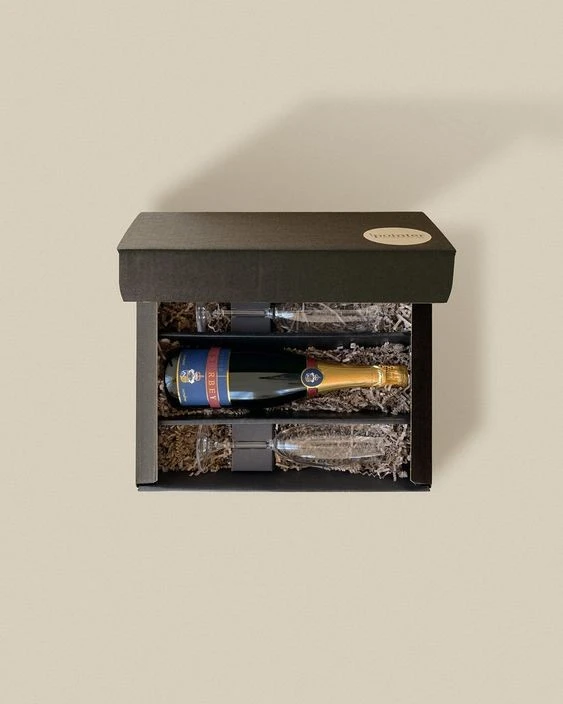
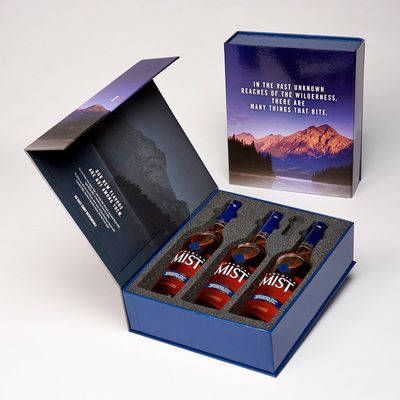
For example, a label on a bottle of fruit juice will list the types of fruits used, the amount of sugar added, and any other additives or preservatives. This allows consumers to choose a product that aligns with their dietary preferences and health goals. Similarly, a label on a bottle of wine will indicate the grape variety, the region where it was produced, and the alcohol percentage. This information helps wine enthusiasts select a wine that suits their taste and occasion.
In addition to product-specific information, labels also often include instructions on how to store and consume the beverage. For instance, a label on a carbonated beverage may advise consumers to refrigerate the product before opening and to consume it within a certain time frame after opening. These instructions help ensure that the beverage maintains its quality and safety.
Branding and Marketing Function
Labels are also a powerful marketing tool for beverage companies. They serve as a visual representation of the brand and help to create brand recognition and loyalty. A well-designed label can attract consumers' attention on the shelves and differentiate the product from its competitors.
The design of a label can convey the brand's personality, values, and positioning. For example, a label on a premium craft beer may feature a unique logo, bold colors, and intricate illustrations to convey a sense of quality and craftsmanship. On the other hand, a label on a budget-friendly soft drink may use simple and eye-catching graphics to appeal to a wider audience.
Labels can also be used to promote special offers, discounts, or new product launches. For example, a label may include a coupon code or a QR code that consumers can scan to redeem a discount or learn more about a new product. These promotional elements can help to increase sales and drive customer engagement.
Regulatory Function
Labels on beverage packaging boxes are subject to various regulations and requirements. These regulations are in place to protect consumers' health and safety and to ensure that the information provided on the label is accurate and truthful.
In many countries, beverage companies are required to include certain information on their labels, such as the name and address of the manufacturer, the net quantity of the product, and any allergen warnings. For example, in the United States, the Food and Drug Administration (FDA) requires that all food and beverage labels list the ingredients in descending order by weight and that any major food allergens, such as peanuts, tree nuts, milk, eggs, fish, shellfish, soy, and wheat, are clearly identified.
In addition to ingredient and allergen labeling, beverage companies may also be required to include information on the label about the product's nutritional content, such as the number of calories, fat, sugar, and sodium per serving. These nutritional labels help consumers make informed decisions about their diet and can also help to prevent health problems such as obesity, diabetes, and heart disease.
Safety and Quality Function
Labels can also play a role in ensuring the safety and quality of the beverage. For example, a label may include a batch number or a production date that can be used to track the product in case of a recall or quality issue. This allows beverage companies to quickly identify and remove any potentially unsafe or defective products from the market.
Labels can also provide information about the product's origin and production methods. For example, a label on a bottle of organic wine may indicate that the grapes were grown without the use of pesticides or synthetic fertilizers. This information can be important for consumers who are concerned about the environmental and health impacts of their food and beverage choices.
Environmental Function
In recent years, there has been a growing emphasis on sustainability and environmental responsibility in the beverage industry. Labels can play a role in promoting these values by providing information about the product's packaging materials and their environmental impact.
For example, a label may indicate that the packaging box is made from recycled materials or that it is recyclable or compostable. This information can help consumers make more environmentally friendly choices and encourage beverage companies to adopt more sustainable packaging practices.
Examples of Different Types of Beverage Packaging Boxes
As a beverage packaging box supplier, we offer a wide range of packaging solutions to meet the diverse needs of our customers. Here are some examples of different types of beverage packaging boxes and the functions of their labels:
- Bottle Presentation Box: This type of box is often used to present a single bottle of wine, champagne, or spirits as a gift. The label on a bottle presentation box typically includes the brand name, the name of the beverage, and a brief description of the product. The label may also include a logo or other branding elements to enhance the box's visual appeal.
- Best Wine Gift Box: A wine gift box may contain multiple bottles of wine, along with other accessories such as wine glasses or corkscrews. The label on a wine gift box usually provides information about the wines included in the box, such as the grape variety, the region where they were produced, and the tasting notes. The label may also include a personalized message or a gift tag to make the box more special.
- Personalized Champagne Gift Box: This type of box is designed to hold a bottle of champagne and can be customized with the recipient's name, a special message, or a photo. The label on a personalized champagne gift box typically includes the brand name, the name of the champagne, and the personalized elements. The label may also include a description of the champagne's flavor profile and serving suggestions.
Conclusion
In conclusion, labels on beverage packaging boxes serve a variety of functions that are essential for the success of a product. They provide important information to consumers, help to build brand recognition and loyalty, comply with regulatory requirements, ensure the safety and quality of the beverage, and promote environmental sustainability. As a beverage packaging box supplier, we understand the importance of these functions and work closely with our customers to design and produce labels that meet their specific needs and goals.
If you're interested in learning more about our beverage packaging box solutions or would like to discuss a custom label design for your product, please don't hesitate to contact us. We look forward to working with you to create a packaging solution that will help your beverage stand out on the shelves and delight your customers.
References
- Kotler, P., & Armstrong, G. (2018). Principles of Marketing. Pearson.
- Schiffman, L. G., & Kanuk, L. L. (2018). Consumer Behavior. Pearson.
- Food and Drug Administration (FDA). (2023). Food Labeling Guide. Retrieved from [FDA website]
- International Organization for Standardization (ISO). (2023). ISO 15378:2019 - Primary packaging materials for medicinal products - Requirements on good manufacturing practice. Retrieved from [ISO website]


